
Build Search Visibility That Brings the Right Customers
We help businesses improve organic rankings, strengthen website authority, reach high-intent searchers, and turn search visibility into calls, consultations, appointments, form submissions, and qualified leads.
Keyword strategy, content, technical SEO, internal linking, authority, reporting, and conversion-focused recommendations.
A Website Can Exist Without Being Discoverable
Search engines must be able to crawl, understand, trust, and rank your pages—and visitors must see enough value to take action after they arrive.
The Right Keywords Are Missing
Your website may not clearly target the services, locations, products, questions, and search intent used by qualified customers.
Technical Problems Limit Visibility
Crawlability, indexing, site structure, mobile usability, speed, internal links, and schema can prevent strong content from performing.
Competitors Have Stronger Authority
Better pages, more relevant links, stronger brand signals, and a clearer content structure can allow competitors to appear first.
The Search-to-Revenue SEO System
A connected process for identifying demand, improving relevance, building authority, and creating a clearer route from search to customer action.
Market and Visibility Audit
We review keywords, rankings, competitors, website architecture, content, technical conditions, links, and conversion gaps.
Relevance and Technical Build
We improve page targeting, site structure, titles, descriptions, URLs, internal links, schema, crawlability, indexing, mobile experience, and speed.
Content and Authority Growth
We develop useful service pages and resources while strengthening citations, backlinks, trusted mentions, and supporting authority signals.
Measurement and Expansion
We review rankings, visibility, completed work, conversion opportunities, and the next services, locations, or content areas to pursue.
One Strategy Across the Entire Website
Keyword and Search-Intent Research
Identify how prospects search, what they need, which terms show buying or inquiry intent, and where your website has missed opportunities.
Demand before contentOn-Page SEO
Improve titles, descriptions, headings, service content, URLs, image information, internal links, external references, and page clarity.
Relevance on every pageTechnical SEO
Address crawlability, indexing, canonicalization, schema, redirects, page speed, mobile usability, site architecture, and search accessibility.
A stronger technical foundationContent Strategy
Create service pages, location pages, guides, FAQs, comparisons, and educational resources that answer real customer searches.
Useful content with purposeLink Building and Authority
Strengthen trust through citations, relevant mentions, outreach, backlinks, internal linking, and relationships with credible sources.
Explore Link Building →Analytics and Reporting
Track keyword positions, visibility, completed work, page opportunities, competitor changes, and meaningful conversion actions.
Measure progress and priorities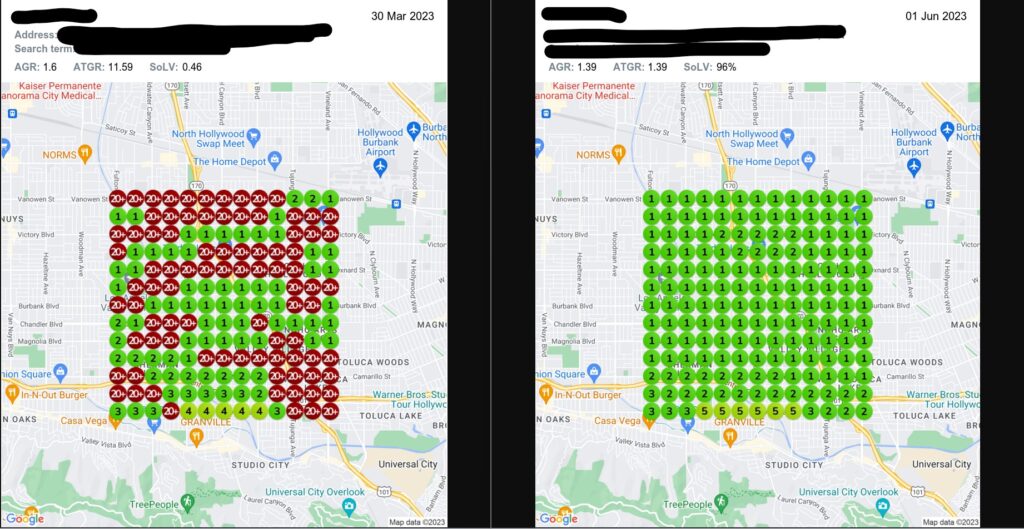
See the Work, Rankings, and Next Opportunities
SEO should not feel like an invisible monthly service. Campaign reporting should show what was completed, where visibility changed, which competitors are winning, and what deserves attention next.
Past results do not guarantee future performance. Outcomes vary according to competition, market, website history, authority, resources, and campaign scope.
Rankings Need a Page That Converts
Traffic is valuable only when visitors can quickly understand what you provide, why they should trust you, and how to take the next step.
SEO Company Santa Monica can connect search optimization with website structure, landing pages, clear calls to action, mobile usability, and conversion-focused design.
A stronger conversion page may include:
Request a Free SEO Growth Plan
We will review your business, target services, locations, website, current rankings, competitors, content, technical foundation, authority, and the opportunities most relevant to your goals.
Book My Free SEO Strategy ReviewYour review may include:
SEO results cannot be guaranteed. Recommendations depend on the available data, competition, website, market, authority, and campaign scope.
Search Engine Optimization Questions
How long does SEO take?
Timing depends on the website’s starting condition, competition, market, content, technical issues, authority, and campaign scope. Some improvements can appear earlier, while competitive rankings and authority usually require sustained work.
What is the difference between on-page and off-page SEO?
On-page SEO improves the website itself, including content, titles, descriptions, headings, URLs, internal links, schema, speed, and usability. Off-page SEO focuses on external authority signals such as citations, relevant backlinks, trusted mentions, outreach, and brand visibility.
Do you provide local and nationwide SEO?
Yes. Campaign strategy is based on the target market. Local businesses may require Google Maps, Google Business Profile, citations, reviews, and location relevance, while nationwide campaigns usually require broader content, technical foundations, and authority.
Will SEO guarantee the first position on Google?
No responsible SEO company can guarantee a specific ranking. Search results are controlled by search engines and affected by competition, algorithms, location, personalization, website history, authority, and many other factors.
What happens during the free SEO strategy review?
We discuss your services, locations, website, existing marketing, current visibility, competitors, and business goals. The purpose is to identify practical search and conversion opportunities and determine whether there is a suitable campaign fit.
Your Customers Are Searching for What You Offer
Build the relevance, authority, technical foundation, content, and conversion path needed to compete for those searches.
Request My Free SEO Growth Plan